 HY
HYHDPE geomembrane barrier (1.5–2.5 mm) between a cushion layer and a concrete wearing slab, with dedicated sealing at slab joints, equipment bases, trenches and drains to stop oils and chemicals reaching soil and groundwater.
Configuration must be confirmed by project design documentsMaterial Configuration by Layer
| Layer | Recommended material | Function / rationale |
|---|---|---|
| Base cushion | Compacted granular layer + geotextile | Load distribution, puncture protection |
| Barrier | Oil-resistant HDPE 1.5–2.5 mm | Containment of oils and chemicals |
| High-risk zones | Double liner + detection layer | Early leak warning |
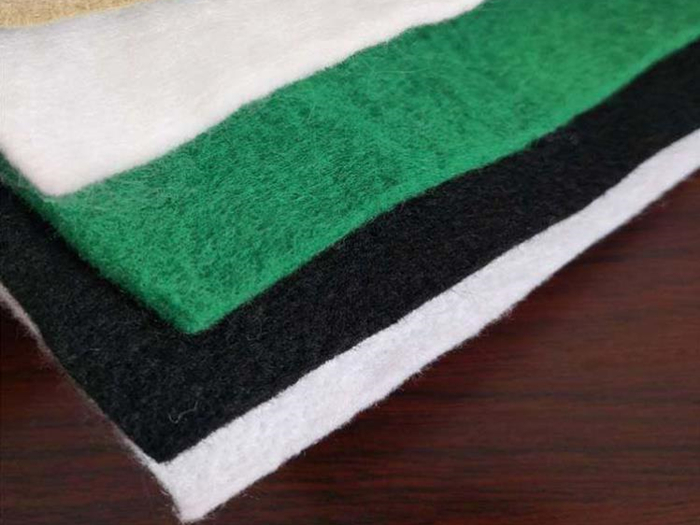
| Protection | Geotextile + granular layer | Protects barrier during slab pour |
| Wearing slab | Reinforced concrete with joints | Traffic and wear resistance |
| Joint sealing | Patch membrane + weld + chemical-resistant sealant | Seal joints, bases, trenches, drains |
| Note: configurations are common practice; the final system and specifications must follow the project design documents and governing codes. | ||
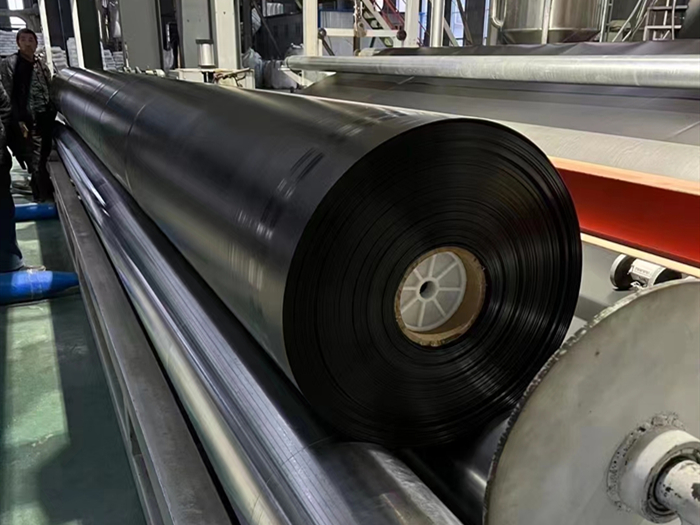
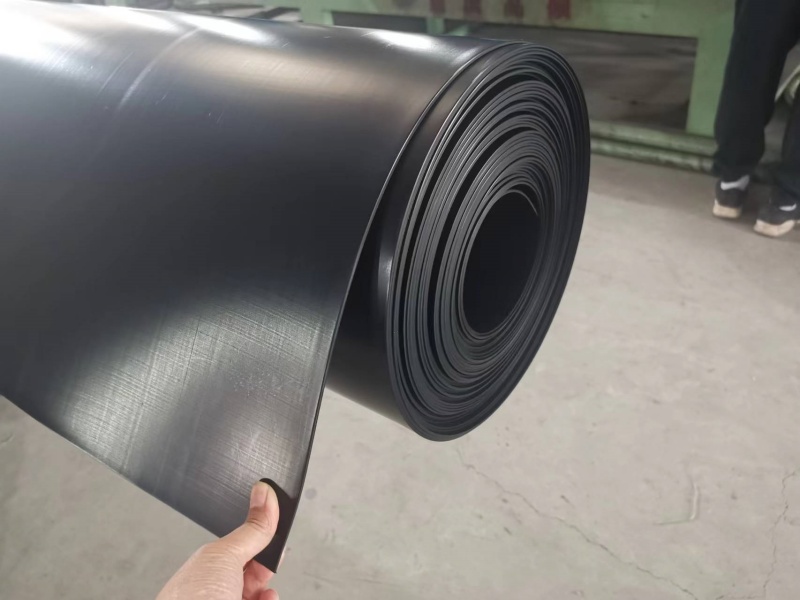
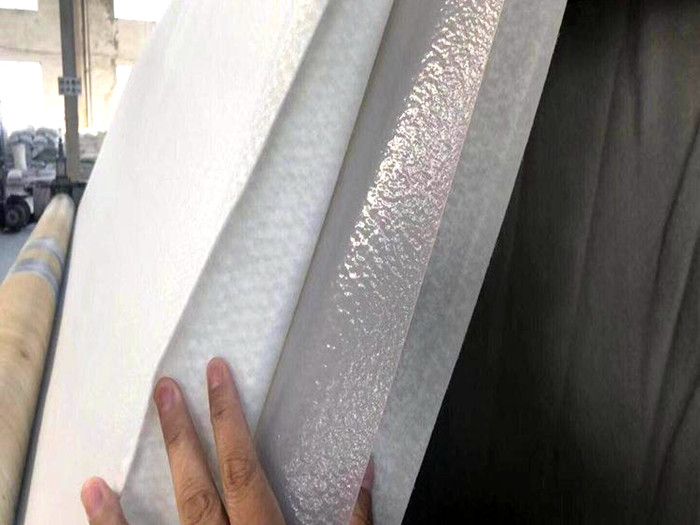
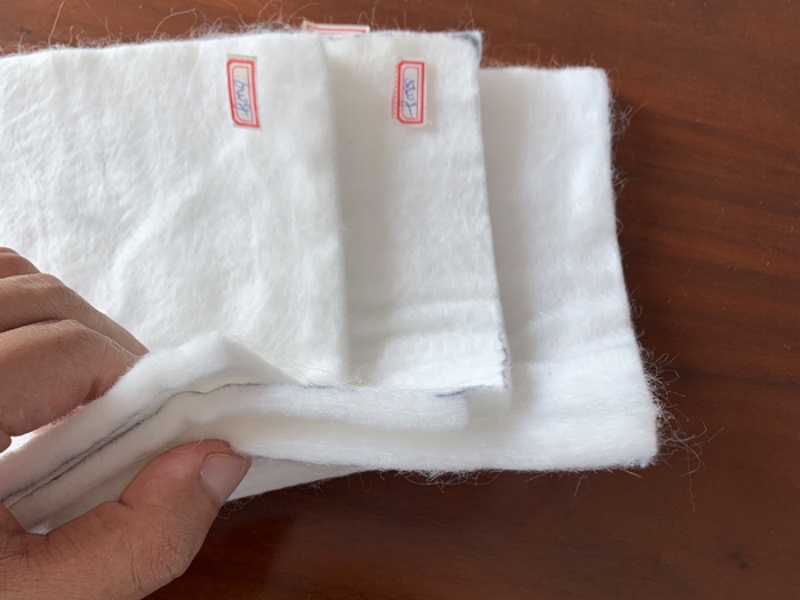
Products Used in This System
Frequently Asked Questions
Is an epoxy floor enough?
No. Epoxy is a thin wearing/coating layer for dust and cleaning; it is not a reliable liquid barrier and fails once cracked. Containment requires an HDPE membrane system; epoxy or concrete then serves as the wearing surface above it.
Where do workshop floors leak most?
At concrete joints, equipment bases and anchor bolts, trenches and sumps, and pipe penetrations. Seal each with patch membrane, welding and chemical-resistant sealant, test individually, and protect the membrane from follow-on trades.
Project enquiry | Workshop Floor Containment
Send the project type, site conditions, design requirements and quantities to receive a project-specific configuration and quotation.